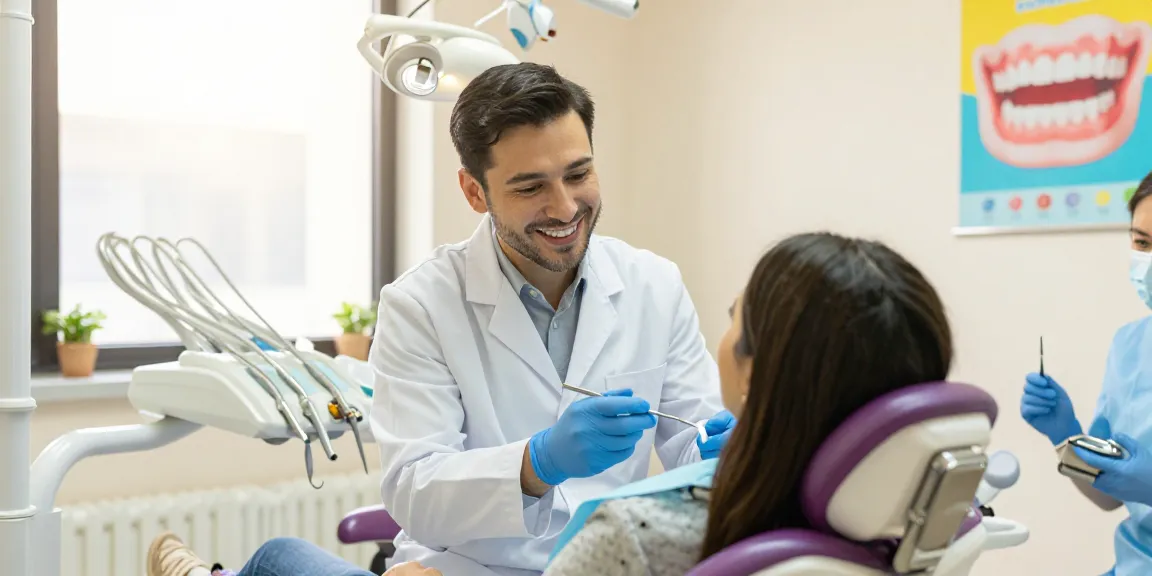
Understanding the Importance of Your Dental Visit
Your dental health is an integral part of your overall well-being. Regular dental visits not only help maintain optimal oral hygiene but also prevent serious health issues that may arise from neglected dental problems. With innovations in dental care, these visits have become more efficient, allowing you to address concerns swiftly and effectively. For those looking to enhance their dental experience, tools like Dentee can streamline the process of finding a dentist, making it easier than ever to visit a qualified professional.
Why Regular Dental Visits Matter
Regular dental visits are crucial for several reasons:
- Prevention of Dental Issues: Regular check-ups help in early detection of potential problems like cavities, gum disease, and oral cancer.
- Professional Cleaning: Even with diligent home care, plaque and tartar can accumulate. Professional cleaning removes these harmful substances, protecting against decay.
- Expert Advice: Dentists provide personalized advice based on your specific dental health needs, helping you make informed decisions about your oral care.
- Maintaining Overall Health: Oral health is connected to general health, impacting conditions like diabetes and heart disease. Regular visits can help in managing these risks.
What to Expect During Your First Visit
Your first visit to the dentist may feel daunting, but knowing what to expect can ease your nerves. Typically, it involves:
- A comprehensive oral examination to assess the health of your teeth and gums.
- X-rays, if necessary, to view the underlying structure of your teeth and jawbone.
- A discussion of your dental history and any concerns you may have.
- Recommendations for treatment or preventive measures based on your oral health needs.
Common Concerns and FAQs About Dental Visits
Many individuals have concerns or questions about dental visits, including:
- How often should I visit the dentist? Generally, it is recommended to visit the dentist every six months.
- What happens if I have dental anxiety? Discuss your anxiety with your dentist; they can provide solutions to make your visit easier.
- Are dental x-rays safe? Yes, modern dental x-rays use minimal radiation, making them safe for most patients.
How to Choose the Right Dentist for Your Needs
Selecting the right dentist is a crucial step in your dental health journey. Here are some factors to consider:
Factors to Consider When Selecting a Dentist
- Location: Opt for a dentist nearby to make travel easier, especially for regular visits.
- Specializations: If you require specific dental procedures, ensure the dentist has the appropriate experience.
- Reputation: Research online reviews and testimonials from patients to gauge their satisfaction levels.
- Insurance: Confirm whether the dentist accepts your insurance plan to avoid unexpected costs.
Benefits of Visiting Local Dentists
Choosing a local dentist offers several advantages:
- Accessibility: Frequent visits are more manageable with a conveniently located practice.
- Community Trust: Local dentists are often well-known and respected in their communities.
- Personalized Care: Smaller practices often provide a more personalized experience, forming a strong patient-dentist relationship.
Resources for Finding Trusted Dentists
Utilizing various resources can assist you in finding a reliable dentist:
- Online Directories: Websites like Dentee provide searchable lists of local dentists.
- Word of Mouth: Ask family and friends for recommendations.
- Dental Associations: Many associations offer referral services to help find accredited professionals.
Preparing for Your Appointment
Being well-prepared for your dental appointment can enhance the experience. Here’s how you can prepare:
What to Bring on the Day of Your Visit
- Your insurance card and any relevant medical history documents.
- A list of medications you are currently taking and their dosages.
- A list of questions or concerns you want to discuss with your dentist.
Questions to Ask Your Dentist
Make the most of your visit by asking insightful questions:
- What is the best oral hygiene routine for me?
- How can I prevent future dental problems?
- Are there alternative treatment options for my condition?
How to Manage Dental Anxiety
Dental anxiety is a common issue, but there are techniques to manage it:
- Practice relaxation techniques such as deep breathing or visualization before your visit.
- Communicate your fears with the dentist so they can adjust their approach accordingly.
- Consider bringing a friend or family member for support during your appointment.
Maximizing Your Dental Experience
To get the most out of your dental visits, consider implementing these strategies:
Post-Visit Care and Follow-Up
- Follow your dentist’s recommendations regarding care and follow-up appointments.
- Maintain a consistent oral hygiene regimen at home to improve your dental health.
Long-Term Oral Hygiene Practices
To sustain optimal oral health, incorporate these practices into your daily routine:
- Daily Brushing: Brush at least twice a day using fluoride toothpaste.
- Flossing: Floss daily to remove food particles and plaque between teeth.
- Limit Sugary Foods: Reducing sugar intake can prevent cavities and tooth decay.
Utilizing Technology for Appointment Management
Take advantage of technology to enhance your dental care experience:
- Use online booking systems to schedule appointments at your convenience.
- Set reminders for your next appointments to stay on top of your dental health.
- Consider tele-dentistry options for consultations or minor issues.
Future Trends in Dentistry: What to Expect in 2026
As we move forward, the dental industry is adapting to new technologies and patient expectations. Here’s what to look for in the future:
Emerging Technologies in Dental Care
- AI and Machine Learning: These technologies will enhance diagnostics and treatment planning.
- 3D Printing: Expect faster and more customized dental solutions, such as crowns and aligners.
- Wearable Technology: Devices that monitor oral health and hygiene will likely become mainstream.
Tele-dentistry and Its Impact on Patient Visits
Tele-dentistry is revolutionizing how patients interact with dental professionals:
- Virtual consultations will save time and make dental care more accessible.
- Patients can receive preliminary evaluations from home, enhancing convenience.
- Follow-up appointments can be conducted remotely, reducing the need for physical visits.
Shifts in Patient Expectations and Experiences
As technology advances, patient expectations will also evolve:
- Patients will increasingly demand personalized care tailored to their unique needs.
- Transparency about treatment costs and procedures will be expected.
- Enhanced communication between patients and providers will be essential for building trust.
What services can I expect during my visit?
During your dental visit, you can expect services such as comprehensive examinations, teeth cleaning, x-rays, and personalized treatment plans.
How often should I visit the dentist?
Most dental professionals recommend visiting the dentist at least twice a year for regular check-ups and cleanings.
What should I do if I experience dental pain?
If you experience dental pain, it is important to contact your dentist immediately for an evaluation and potential treatment options.
Are there special considerations for children’s dental visits?
Children's dental visits should start around their first birthday, focusing on preventive care and education on good oral hygiene habits.
How can I improve my dental health between visits?
You can improve your dental health by maintaining a consistent oral hygiene routine, eating a balanced diet, and avoiding excessive sugar intake.